A 10-minute routine for checking a prediction market spread
A repeatable way to go from “this looks interesting” to “I understand the trade”, without pretending you can read two rulebooks in thirty seconds.
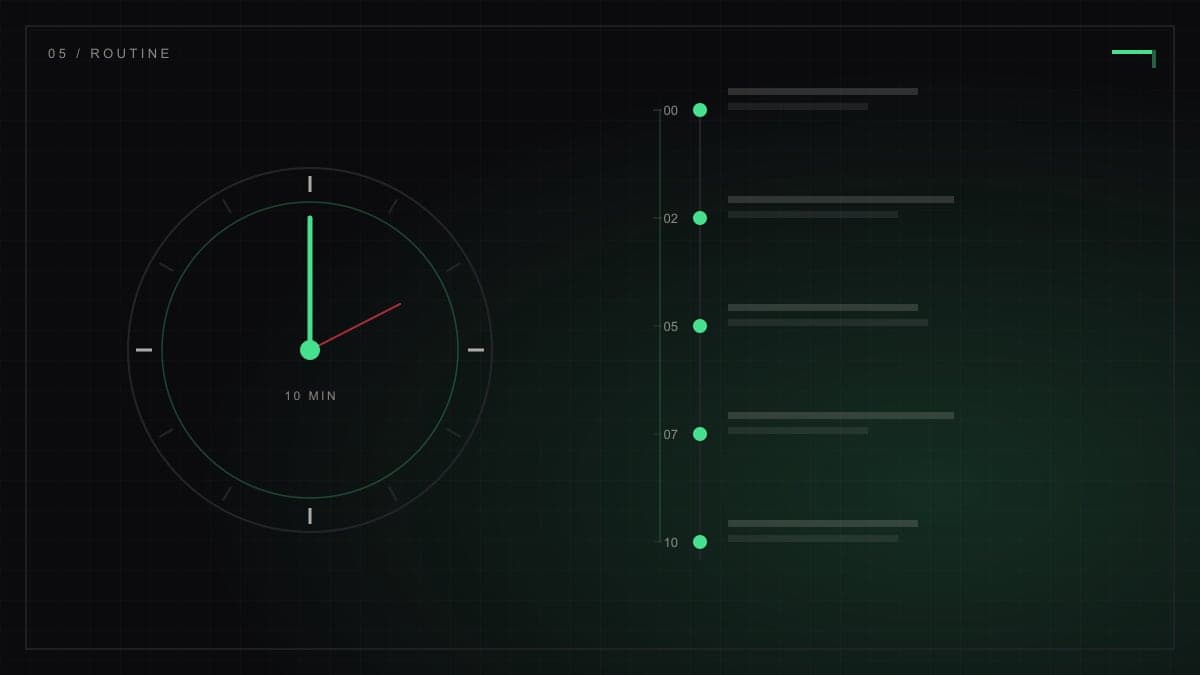
A scanner is good at finding price differences. It is bad at telling you whether the difference is real. This is the routine we use before treating a pair as a trade.
Minute 0–2: filter the noise
Start with match confidence at 90% or higher and a minimum depth that matches your budget. Hide anything with an ROI that looks too good. A 200% return on a market that resolves tomorrow is usually a stale quote, a thin book or a rule mismatch. The default max ROI filter exists for a reason.
Minute 2–5: read the two markets
Open both markets in separate tabs. Read the resolution source, the close time and the edge cases. If the titles differ in a number, a date, a time zone or a direction word, stop and compare the exact wording. This is the part that cannot be automated away.
Minute 5–7: check the fills
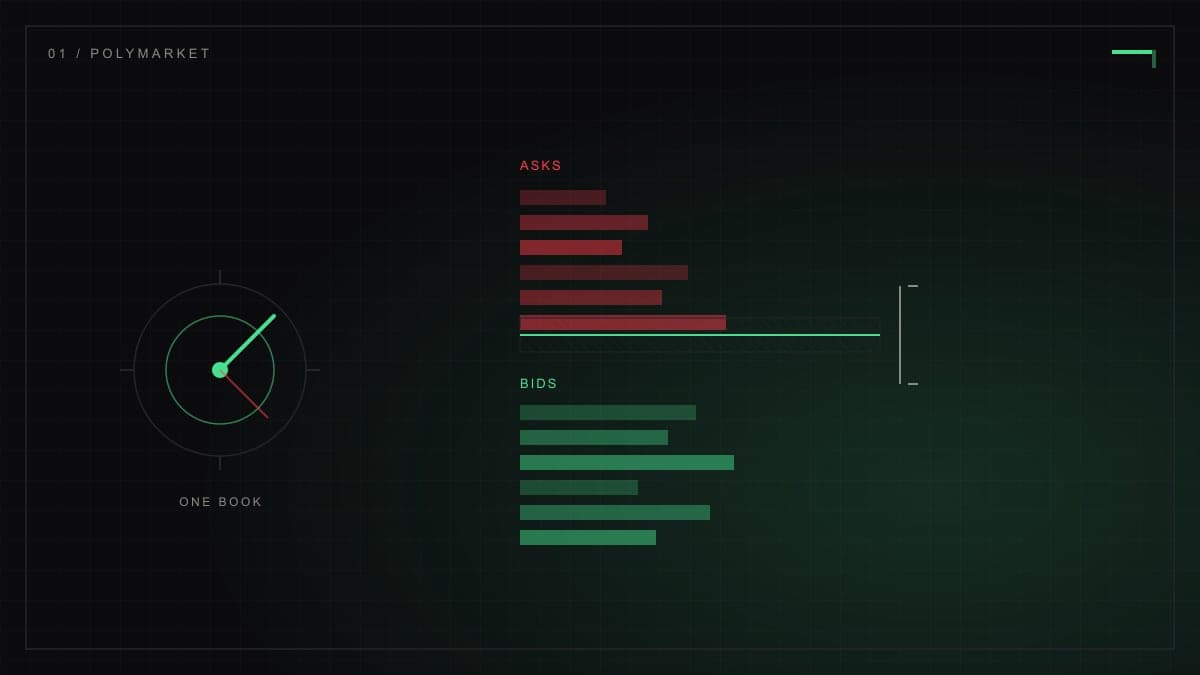
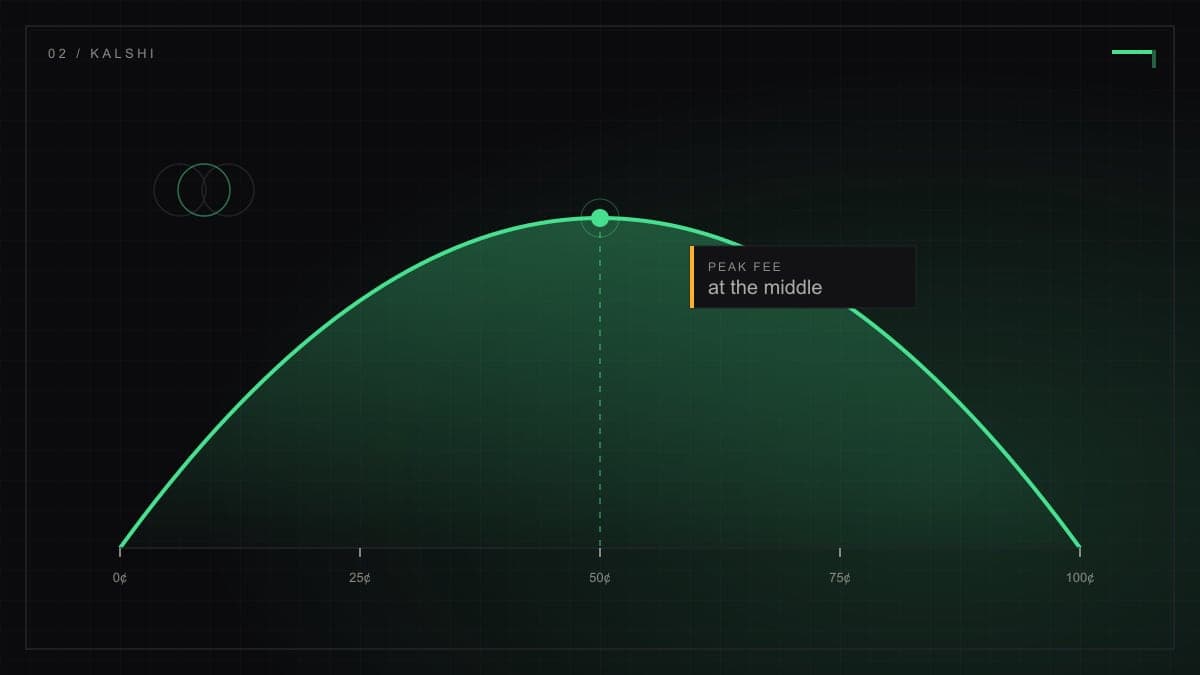
Look at the size available at the quoted ask on both legs. If one side has $5 and the other has $5,000, your trade is a $5 trade. Check the fee on each venue. For Kalshi, use the fee at the actual price, not a flat percentage. For Limitless, remember the fee may be an estimate.
Minute 7–9: plan the legs
Decide which leg to place first. The thinner leg is usually the one that can move away from you, so place it first and keep the second tab ready. Do not assume both orders will fill at the quoted price. If the first leg fills and the second does not, you are holding a naked position, not an arbitrage.
Minute 9–10: write it down
Record the pair, the prices, the size, the fees, the resolution rules and the time. If the trade goes wrong, the notes are how you find out which assumption failed. If it goes right, they are how you repeat it.
- ✓Match score 90%+
- ✓Depth covers the intended size
- ✓Both rulebooks read
- ✓Fees checked at the actual price
- ✓First leg chosen
- ✓Notes written
Ten minutes is not a guarantee. Some pairs take an hour, and some are not worth ten seconds. The routine is there to make the fast decisions consistent, not to make every decision fast.
If you only remember one thing: the scanner finds the question. You still have to answer it.
The team behind the scanner. We write about cross-venue pricing, resolution rules and the mechanics of locking in spreads on prediction markets.